.png)
Choice
Two edge options — Sharp and Safety — help caregivers and clinicians choose the right fit for the person and setting.

We're building Adielle, a clinician-led platform that links therapy goals, assistive products, and home support. Early access is opening for clinicians, educators, directors, and care teams shaping the first version.
Tell us who you are and where to send updates as we open the first Adielle pilot spots.
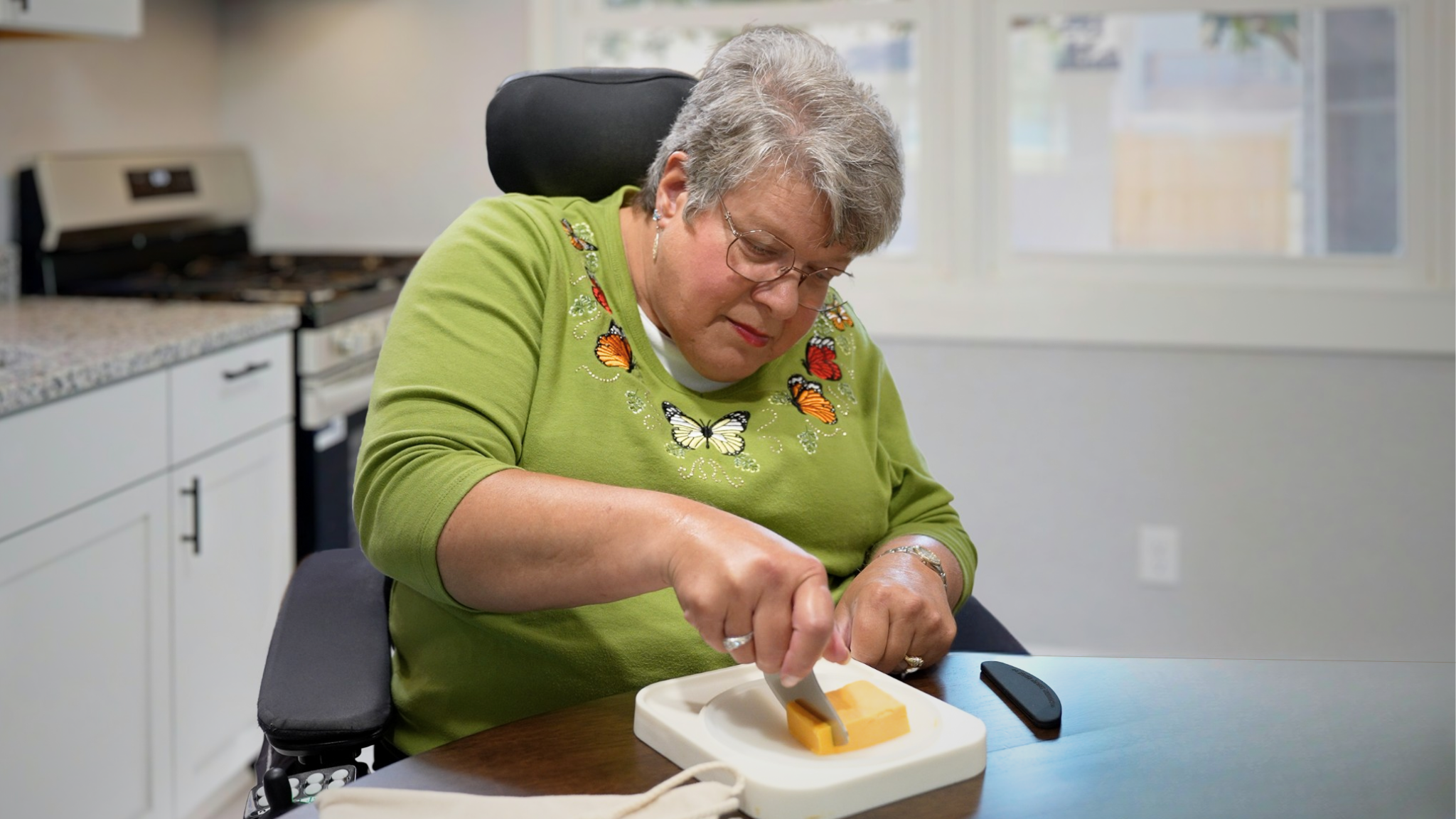
One-handed or two. Home or clinic.
Safe + Sharp options.
From the makers of Totchop. Purchase on totchop.com or Amazon.
Two edge options — Sharp and Safety — help caregivers and clinicians choose the right fit for the person and setting.
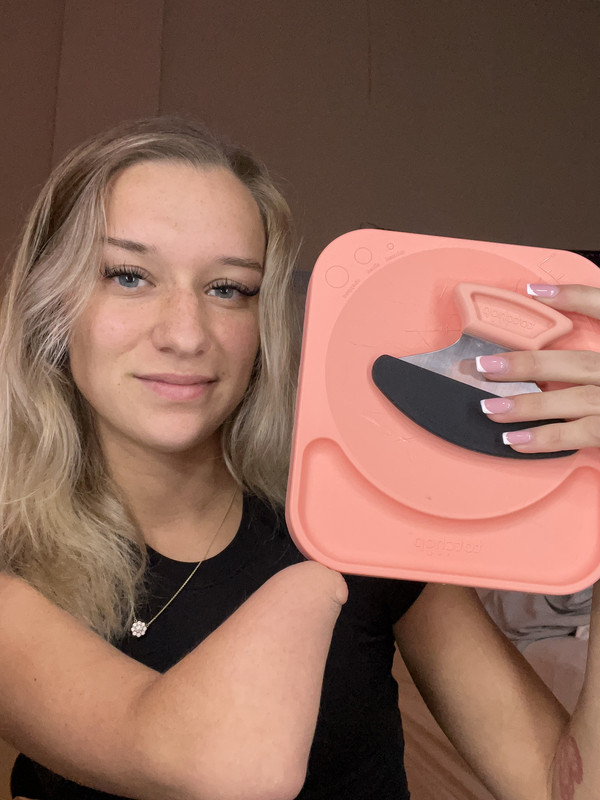
Designed to support one-handed-use and more confident involvement in real meal prep routines.
.jpg)
Concave board geometry, non-slip footing, and a controlled rocking motion help reduce chasing and compensation.
Click checkmarks for more info

|
Other Tools | |
|---|---|---|
| Knife + Board Combo | × | |
| One-handed meal prep | × | |
| Rounded blade tips | × | |
| Safety edge option | × | |
| Reduced food slipping | × | |
| Low-tech simplicity | ~ | |
| Dishwasher-safe parts | ~ | |
| Home + therapy friendly | ~ |
Standard thin-handled tools require high "pinch force". Holstead's hand-over-food design helps reduce joint strain and makes cutting feel steadier and easier.¹
Meaningful tasks like cooking are tied to our identity. Holstead provides a bridge back to the kitchen, restoring personal autonomy and dignity.²
When prep is hard, nutrition suffers. Removing physical barriers to fresh ingredients empowers better dietary choices and chronic health management.³
1. McDonald, S. S., D. Levine, J. Richards, and L. Aguilar. 2016. “Effectiveness of Adaptive Silverware on Range of Motion of the Hand.” PeerJ 4: e1667.
2. Plastow, N. A., A. Atwal, and M. Gilhooly. 2015. “Food Activities and Identity Maintenance Among Community-Living Older Adults.” Am. Journal of Occupational Therapy 69, no. 6.
3. Bailey, R. R., and M. Ipsen. 2022. “Facilitators and Barriers to Performing Dietary Behaviors Among Chronic Community-Dwelling Stroke Survivors.” Disability and Health Journal 15, no. 3.
Our story started at the family dinner table, solving for the speed and safety every parent needs. But we quickly realized our impact went much further. From therapy clinics to rehab centers, we saw "Totchop" becoming a bridge to independence for those with limb differences, stroke recovery, and motor challenges. We didn’t just expand our market; we found our true calling in inclusive design.
.png)
Everything we build is thoughtfully engineered and purpose-driven. We believe in design with a purpose, solving real-world mealtime preparation barriers through intentional, high-level engineering.
At the heart of Holstead is a commitment to God and a life of service. We are guided by the truth that our work is a calling, prioritizing the inherent dignity and independence of every person we serve.
Reflecting our curved cutting-board base, the anchor symbolizes steadiness and practical everyday support. It is the grounding force that ensures our products are dependable in real life.
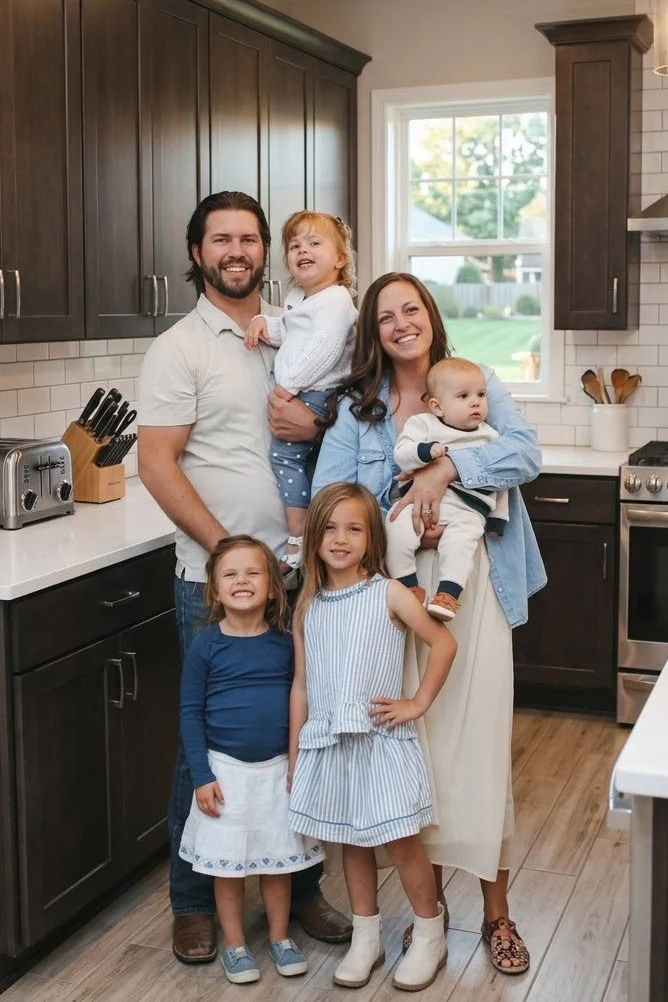
Matt Kawiecki is the founder behind Holstead, bringing more than a decade of engineering and leadership experience at Eli Lilly to the development of tools that support everyday independence. After leaving Lilly in 2023, he launched Totchop, a kitchen tool company inspired by his family's experience with a choking scare. He is now building Adielle to help clinicians translate daily living goals into practical activities, adaptive product recommendations, and guidance for use at home. Based in Fort Wayne, Indiana, Matt combines an engineer's approach to problem-solving with a founder's focus on real-world needs.